
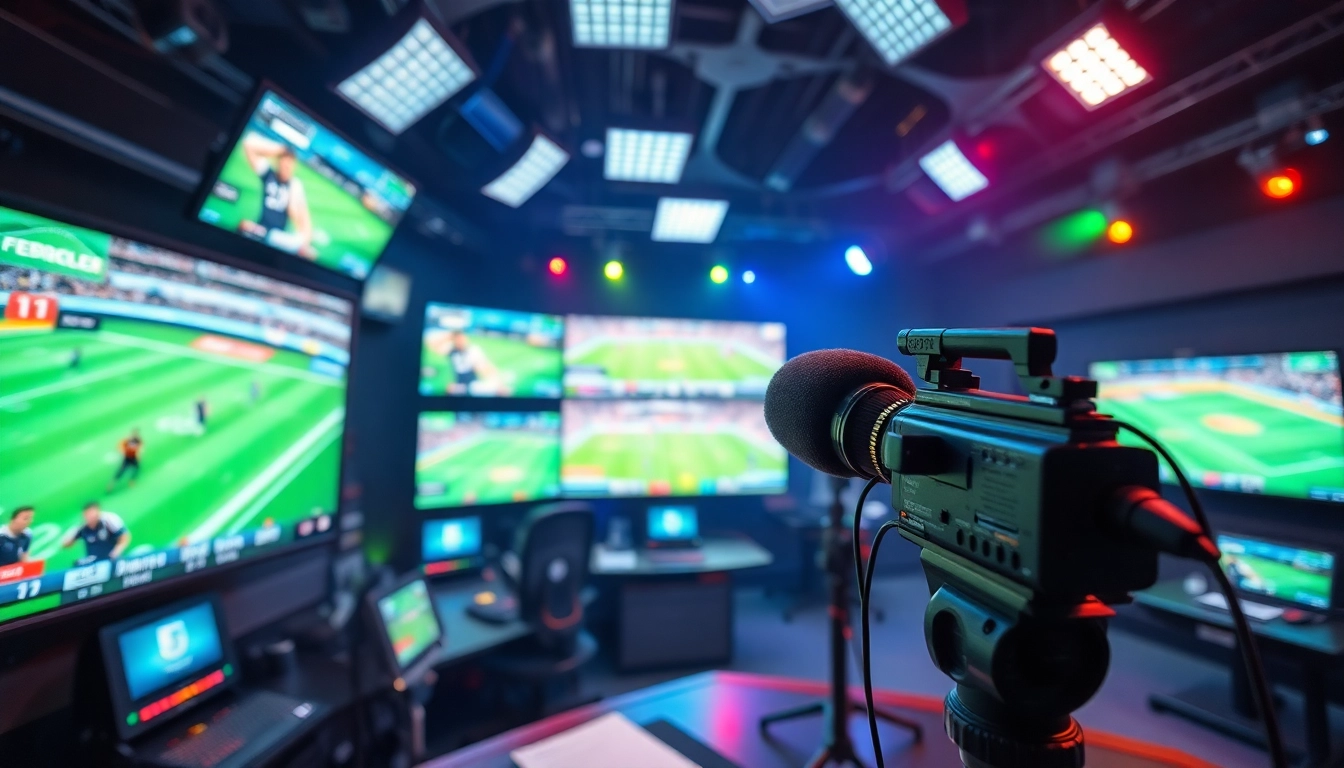
Understanding Sports Broadcasting
Sports Broadcasting is a dynamic field that combines entertainment, technology, and storytelling. From radio broadcasts of baseball games to seamless online streaming of soccer tournaments, it plays a vital role in how fans engage with their favorite sports. Understanding the various facets of this industry can provide valuable insights into both its history and its future. This article explores the past, present, and future of Sports Broadcasting, highlighting its evolution, essential tools, strategies for viewer engagement, technological advancements, and methods to measure success.
History of Sports Broadcasting
The journey of Sports Broadcasting began in the early 20th century. The first radio broadcast of a live sporting event occurred in 1921 when a baseball game between the Pittsburgh Pirates and the Philadelphia Phillies was aired. This innovation opened the doors for broadcasting various sports events, fundamentally changing how fans accessed live sports.
Television quickly followed, with the first televised sporting event — a college tennis match — occurring in 1939. By the 1950s and 1960s, sports broadcasting began to flourish, with networks competing for broadcast rights to popular events like the Super Bowl and the Olympics. This period saw the rise of popular sports anchor personalities and the development of iconic sports shows.
With the advent of the internet, the landscape began to shift again in the late 1990s. Streaming technology enabled online broadcasts, revolutionizing how audiences accessed sports content. As platforms evolved, so did the capabilities for interactive viewing, leading to the sports broadcasting we recognize today. Sports Broadcasting remains at the crossroads of technology and entertainment, continually adopting new methods to engage audiences.
Types of Sports Broadcasting
Sports Broadcasting encompasses various formats, each catering to different audience preferences. Here are some key types:
- Television Broadcasting: The traditional method, featuring live games, analysis, and commentary. Networks often invest in partnerships with leagues for exclusive rights.
- Radio Broadcasting: Popular for its accessibility; radio provides live commentary, play-by-play updates, and in-depth analysis, especially in regions or events where television is less accessible.
- Online Streaming: A growing segment, where platforms such as YouTube and dedicated sports streaming services provide live coverage and on-demand access. This format is easily adaptable for mobile and smart devices.
- Social Media Broadcasting: Engaging fans with real-time updates, highlights, and behind-the-scenes content, enhancing audience interaction and community building.
Key Metrics in Sports Broadcasting
To measure the effectiveness of Sports Broadcasting, several key metrics are employed:
- Viewership Numbers: Tracking how many viewers tune in to a broadcast is fundamental to assessing its reach and popularity.
- Engagement Rates: Analyzing how actively viewers participate, whether through social media interactions, polls, or contests, provides insights into audience involvement.
- Ratings: Typically represented as share and household ratings, they define how a show performs against its competition during the same time slot.
- Revenue Generated: Assessing income from advertisements and sponsorships is essential, providing a financial perspective to viewership data.
Essential Equipment for Sports Broadcasting
The quality of Sports Broadcasting is heavily reliant on the tools and equipment used. Here’s a detailed look at essential gear that ensures smooth transmission, clarity, and audience engagement.
Cameras and Audio Gear
Cameras are the centerpiece of any broadcast. High-definition cameras are now standard, allowing for crystal-clear imagery. Techniques like multiple-angle shots provide a comprehensive viewing experience. Additionally, advanced features like slow-motion capture enhance key moments, engaging viewers more effectively.
Audio quality is equally crucial. High-quality microphones, including lapel and shotgun mics, ensure that commentary is clear, while ambient sound captures the atmosphere of the event. Advanced audio mixing equipment allows for better sound balance between commentary, music, and background noise.
Broadcasting Software Solutions
The right software drives production efficiency. Broadcasting software solutions manage live graphics, transitions, and audio levels. Features such as cloud-based editing tools streamline collaboration and allow for real-time updates, ensuring timely broadcasts regardless of location.
Sophisticated analytics tools integrated into broadcasting software help broadcasters gain a deeper understanding of viewer behavior, facilitating targeted content delivery based on audience preferences.
Setup Environment and Studio Design
A well-designed studio plays a significant role in the production quality. A chaotic environment can lead to mistakes and poor audience experiences, while a well-equipped studio can enhance broadcast quality. Proper lighting is essential for video clarity, while sound-proofing materials minimize background noise interference.
Designing a versatile set that can easily adapt to various programming shifts—like live sports to talk shows—enhances production flexibility. Utilizing advanced backdrop technology can create immersive environments, elevating the viewer's experience significantly.
Viewer Engagement Strategies in Sports Broadcasting
Maintaining viewer interest requires innovative engagement strategies. Here’s how broadcasters can maximize their connection with audiences:
Interactive Features for Audiences
Interactive features allow viewers to engage with broadcasts beyond passive viewing. Polls during games, viewer-chosen camera angles, and the ability to submit questions to commentators elevate the experience. Incorporating gamification elements, such as trivia contests, can further enhance viewer participation and retention.
Using Social Media to Boost Engagement
Leveraging platforms like Twitter, Instagram, and TikTok to share real-time highlights, behind-the-scenes clips, and fan interactions creates a community vibe. Social listening allows broadcasters to tailor content based on trending topics and fan discussions, keeping content relevant and engaging.
Personalization and Viewer Preferences
Understanding viewer habits is essential for personalization. Using data analytics, broadcasters can curate content that resonates with different demographics—delivering tailored highlights or specialized commentary that aligns with viewer interests enhances satisfaction and loyalty.
The Role of Technology in Sports Broadcasting
Emerging technologies are reshaping the landscape of Sports Broadcasting. Here are key innovations making a significant impact:
Virtual Reality and Augmented Reality Integration
AR and VR technologies have introduced new dimensions to sports viewing. VR offers immersive experiences, allowing fans to "attend" games from the comfort of their homes, enhancing emotional engagement. AR applications can overlay stats or player information on live broadcasts, providing in-depth understanding without detracting from the action.
AI and Data Analytics in Sports
Artificial Intelligence (AI) aids broadcasters in analyzing viewer behavior, predicting trends, and automating certain broadcasting processes like highlight selection. Enhanced data analytics facilitate deeper insights into live performance, allowing commentators to provide real-time, data-driven insights, enriching the viewing experience.
Future Trends to Watch
As technologies evolve, several trends are expected to redefine Sports Broadcasting, including:
- Increased Interactivity: Expect rising demand for interactive broadcasts that allow viewers to influence the content actively.
- Blockchain Technology: This may revolutionize ticketing, broadcasting rights, and even fan engagement structures.
- Personalized Viewing Experiences: AI-driven suggestions will offer tailored content to individual viewer preferences.
Measuring Success in Sports Broadcasting
Quantifying success in Sports Broadcasting involves understanding audience metrics and how they translate into profitability. Here are methods to achieve this:
Assessing Audience Metrics
Engagement and viewership metrics are vital for gauging the success of broadcasts. Analyzing real-time data helps broadcasters adapt their strategies promptly. Key performance indicators, including viewer growth, engagement rates, and feedback, can guide future decision-making processes.
Return on Investment in Broadcasting
Calculating ROI is essential, particularly in an era with heightened competition. This involves analyzing revenue streams against investment in broadcasting events, technology upgrades, and marketing efforts. Understanding customer acquisition costs and lifetime value assists in making more informed budgeting decisions.
Adapting to Changes in Viewer Behavior
As viewer habits shift—such as the move towards mobile viewing—broadcasters must adapt. Continually revisiting strategies based on ongoing viewer feedback and evolving trends helps maintain relevance. Building a flexible broadcasting model that can adjust to new distribution channels and audience preferences is crucial for sustained success.
Frequently Asked Questions
What is Sports Broadcasting?
Sports Broadcasting includes transmitting live sports events through various mediums like television, radio, and online platforms, engaging audiences worldwide.
Which equipment is essential for sports broadcasting?
Key equipment includes high-definition cameras, professional audio gear, broadcasting software, and a well-designed studio environment to ensure quality production.
How do social media strategies enhance sports broadcasting?
Social media enhances sports broadcasting by providing real-time updates, engaging fans through interactive content, and creating a community around sports events.
What technologies are impacting sports broadcasting?
Technologies like AI, VR, AR, and advanced data analytics are revolutionizing how sports broadcasts are produced, delivered, and interacted with by viewers.
How is success measured in sports broadcasting?
Success is measured through metrics such as audience engagement, viewership ratings, ROI, and adaptability to changes in viewer preferences and behaviors.